

The Retention Playbook
The Retention Playbook provides an evidence-based framework for reducing employee turnover. Drawing on behavioral economics and data from hundreds of retention decisions, this series explains why employees actually leave, what turnover costs, and which strategies work - beyond generic HR advice.
What You'll Learn:
Why turnover costs 150-200% of salary (not 50-75%)
The information asymmetry problem in retention
Why salary increases have a 90-day half-life
How manager quality drives 70% of attrition
Why counter-offers fail 80% of the time
What retention strategies actually work (with evidence)
Who This Series Is For: CFOs evaluating retention investments, COOs managing team attrition, VPs with high turnover, CPOs building retention strategies, Finance Directors analyzing workforce costs.

The Economics of Employee Turnover: What CFOs Get Wrong
Your finance team calculates employee turnover at 50-75% of annual salary. They're wrong by at least half.
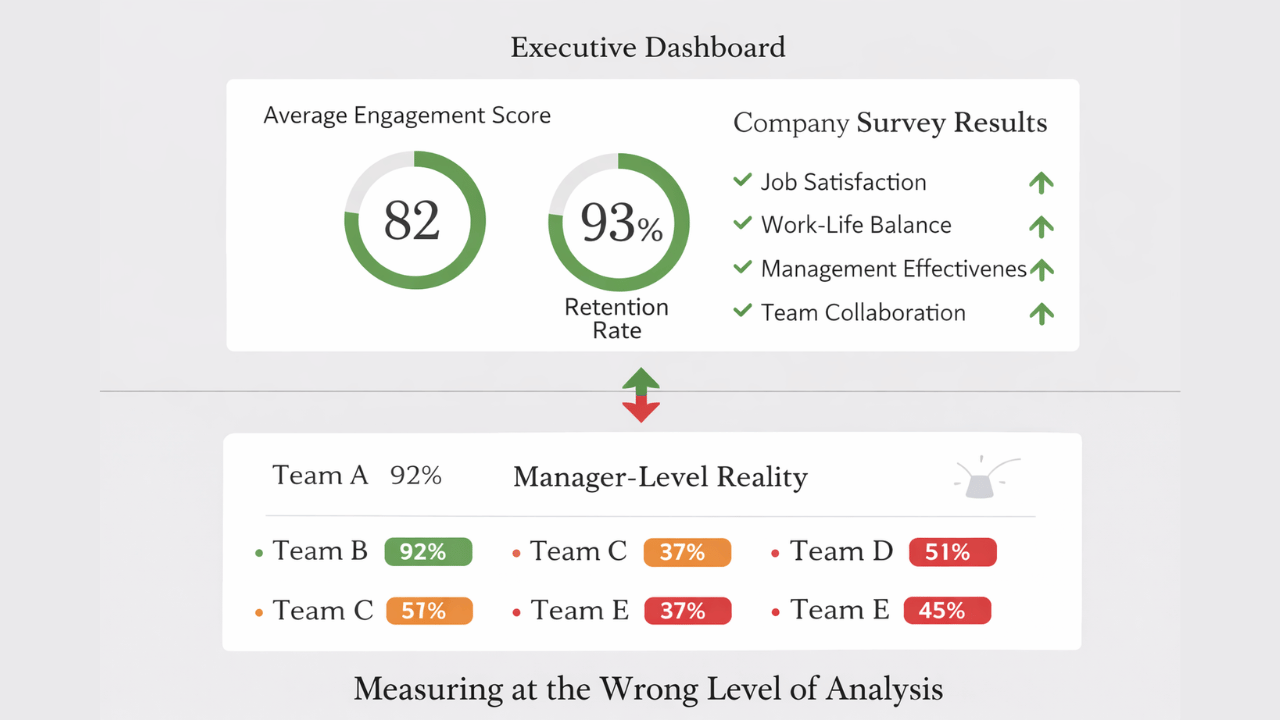
The Manager Quality Paradox: Why Your Best Employees Leave Your Worst Managers
The economics are perverse. Your best employees, who have the most employment options, leave bad managers first. Your worst employees, with fewer alternatives, stay.
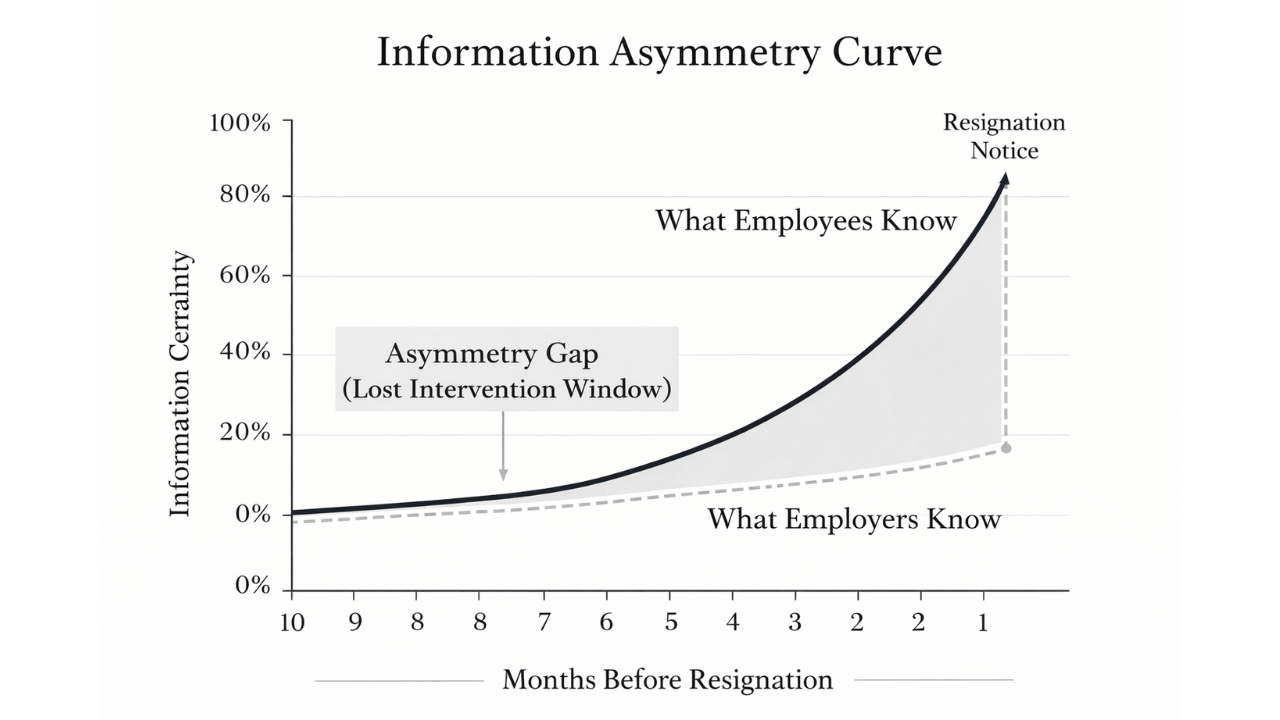
Why Your Best People Quit: Information Asymmetry in Retention Strategy
This information gap makes most retention efforts reactive theater rather than preventive strategy.
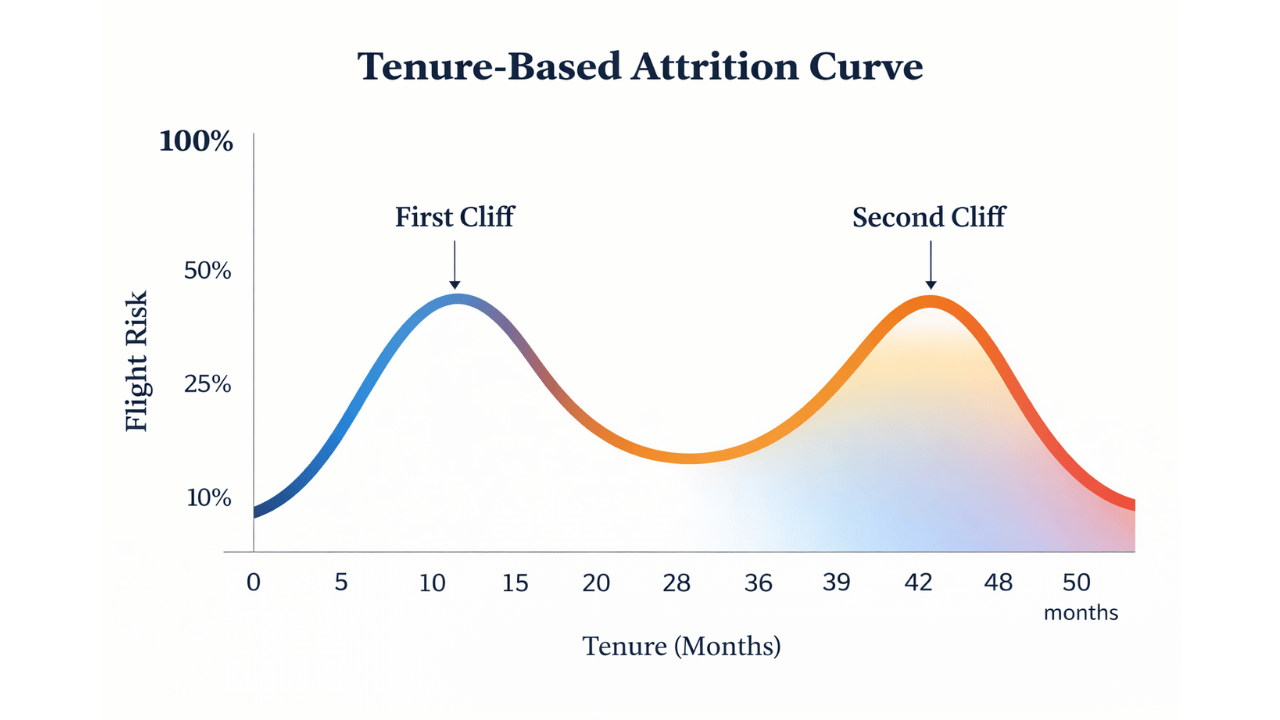
Career Development and the 18-Month Cliff
You invest twelve to eighteen months developing an employee. They reach full productivity. Then they leave because they cannot see year three. You've funded their training for their next employer.

The Half-Life of Salary Increases: Why Your Retention Bonuses Don’t Work
You're not solving retention; you're teaching employees to hold you hostage.
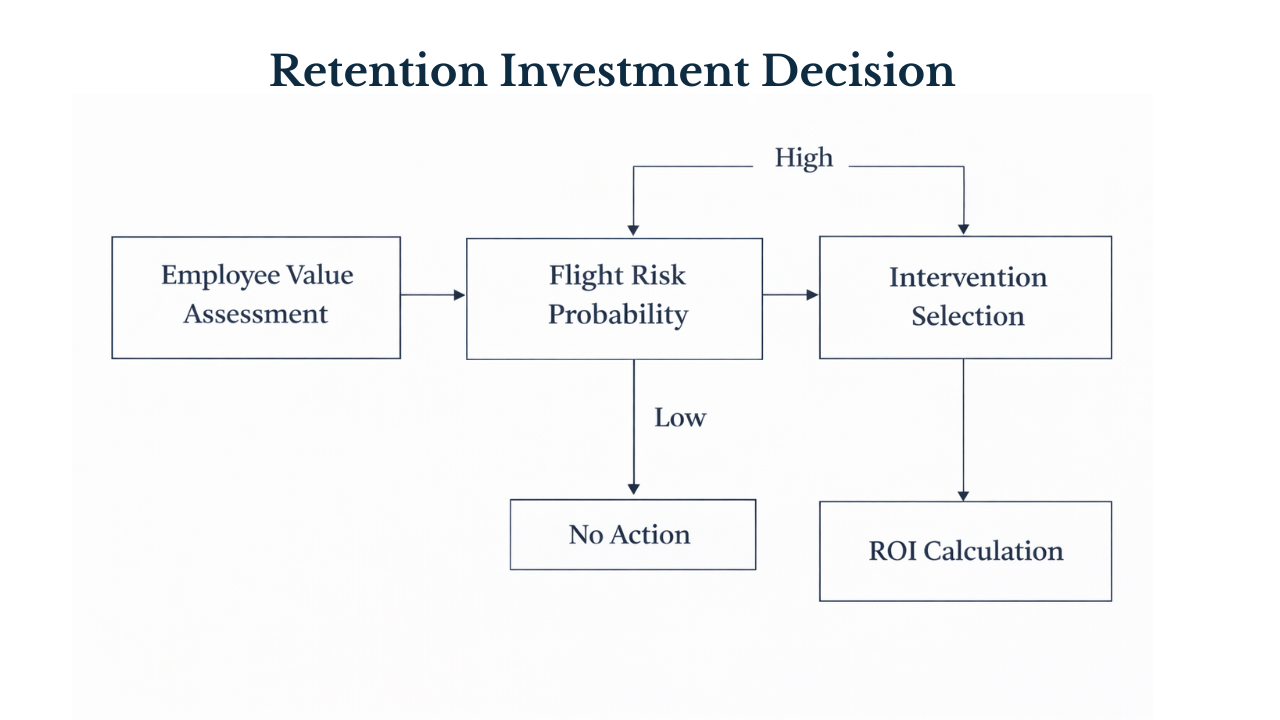
Retention Strategies That Actually Work: An Evidence-Based Framework
Abandon retention theater. Focus on manager quality, career development, and segmented strategies that generate measurable returns on retention investment.