

Strategic insights on hiring, retention, compensation, leadership, and organizational design. Evidence-based analysis for executives who make decisions about people and teams.
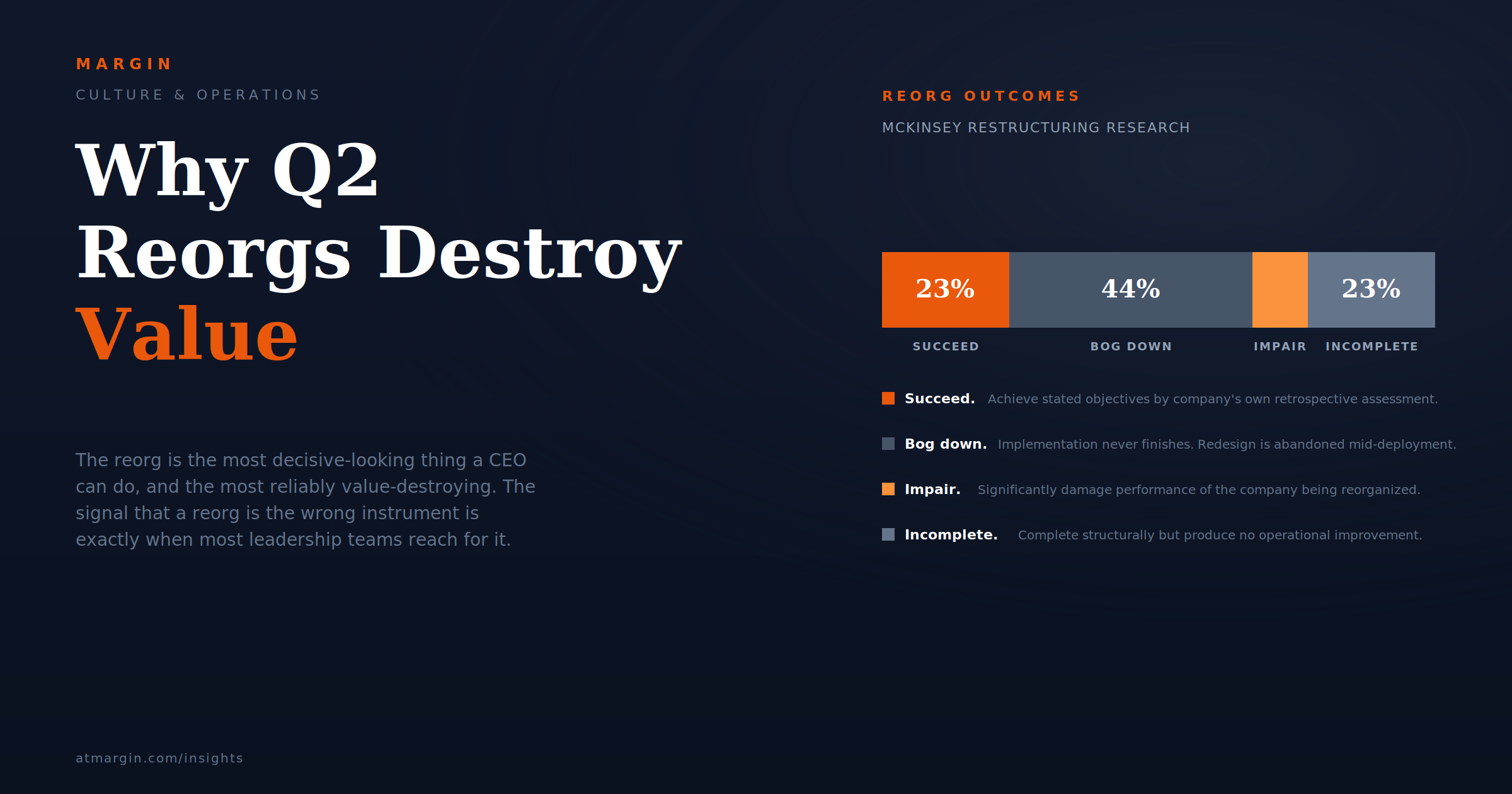
Why Q2 Reorgs Destroy Value
The reorg is the most decisive-looking thing a CEO can do, and the most reliably value-destroying. The signal that a reorg is the wrong instrument is exactly the moment most leadership teams reach for it.
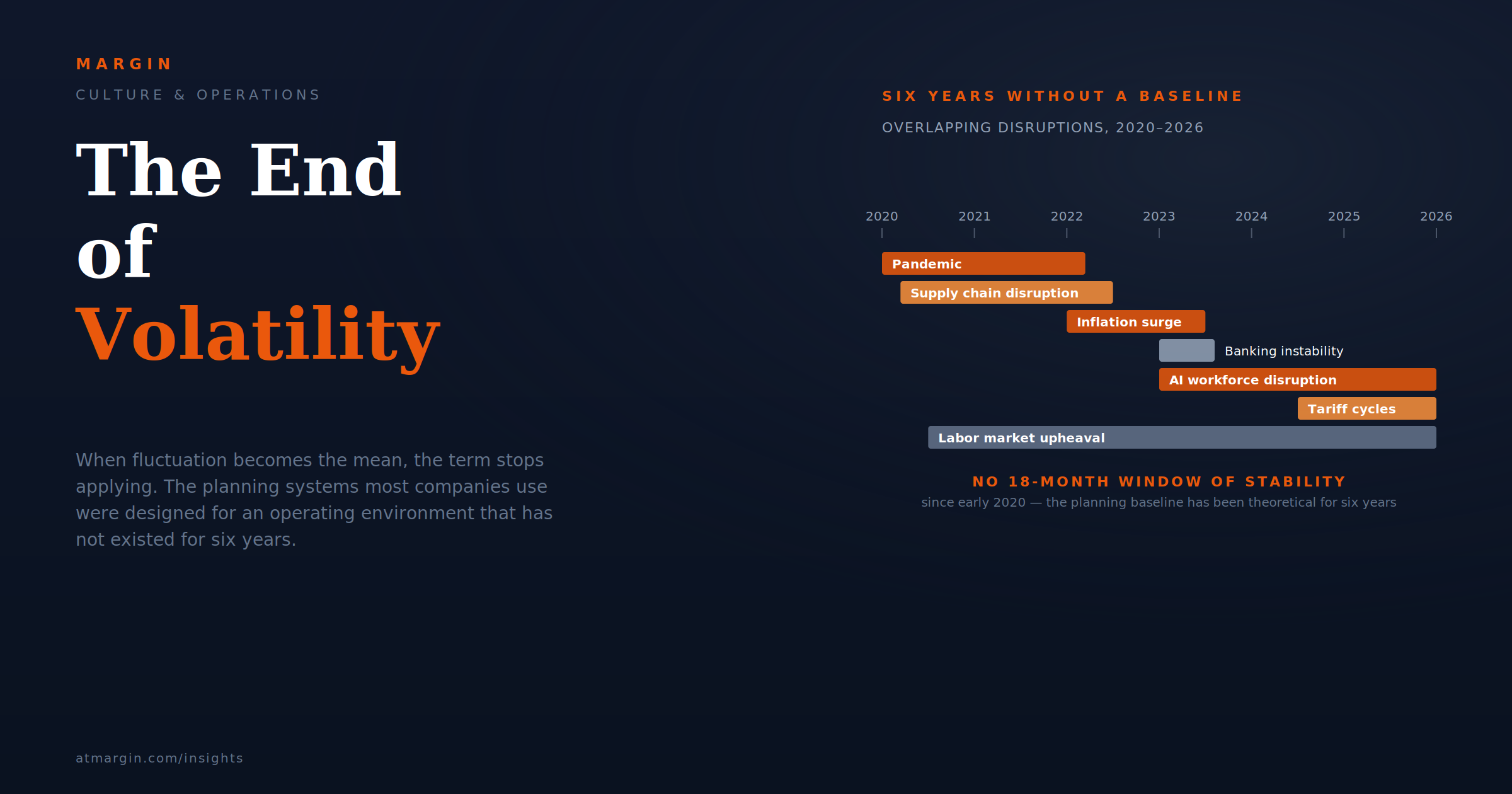
The End of Volatility
In finance, volatility describes fluctuation around a stable mean. When the fluctuation becomes the mean, the term stops applying — and the planning systems most companies still use were designed for an operating environment that has not existed for six years.
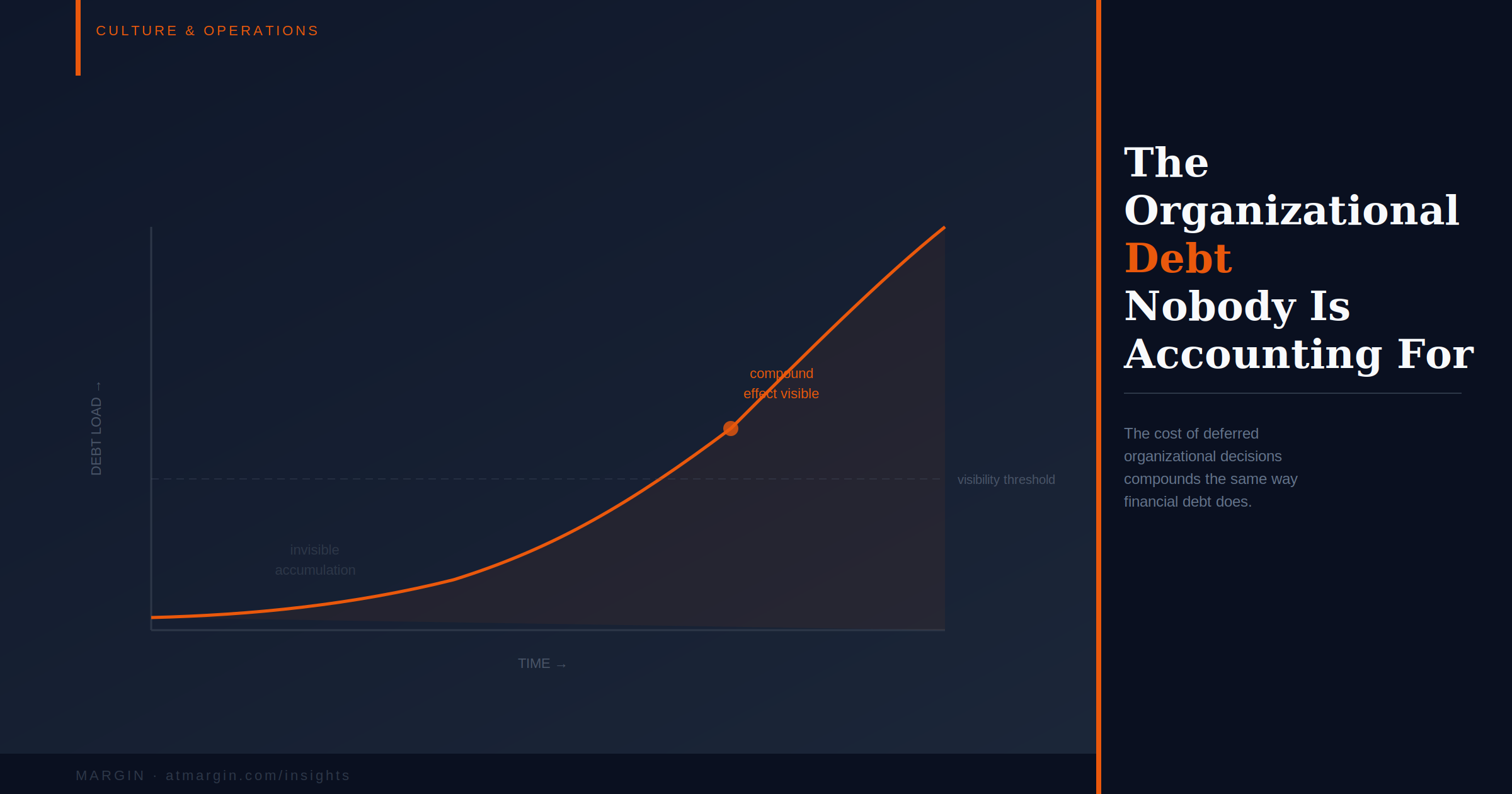
The Organizational Debt Nobody Is Accounting For
Technical debt has a balance sheet metaphor and a CFO who understands it. Organizational debt has neither — but it carries interest at the same rate and compounds with the same indifference.
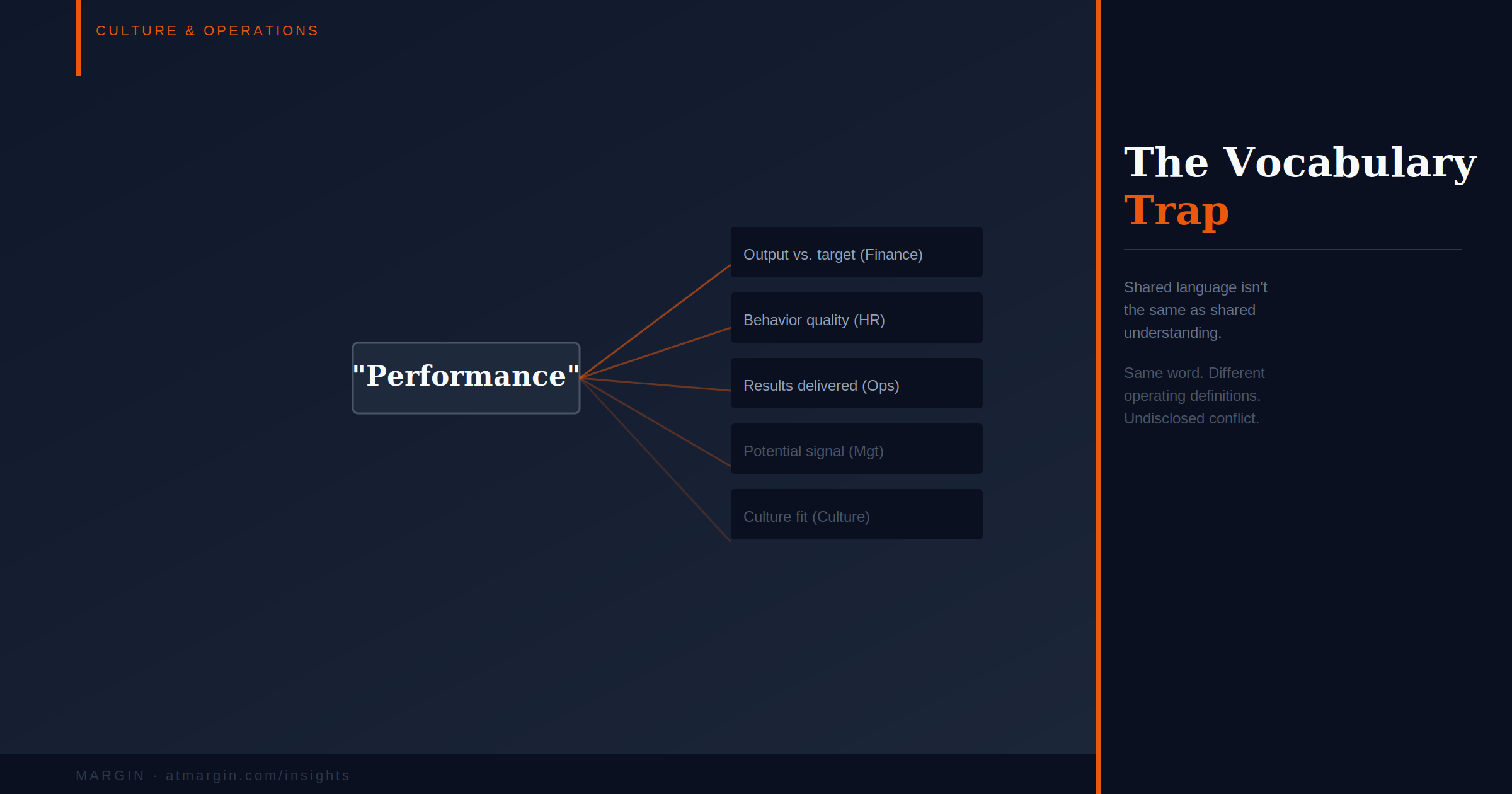
The Vocabulary Trap: Why Shared Language Isn't the Same as Shared Understanding
When every leader in the room nods at the same phrase, agreement feels complete. It often isn't. The gap between shared vocabulary and shared meaning is where strategy goes to die.
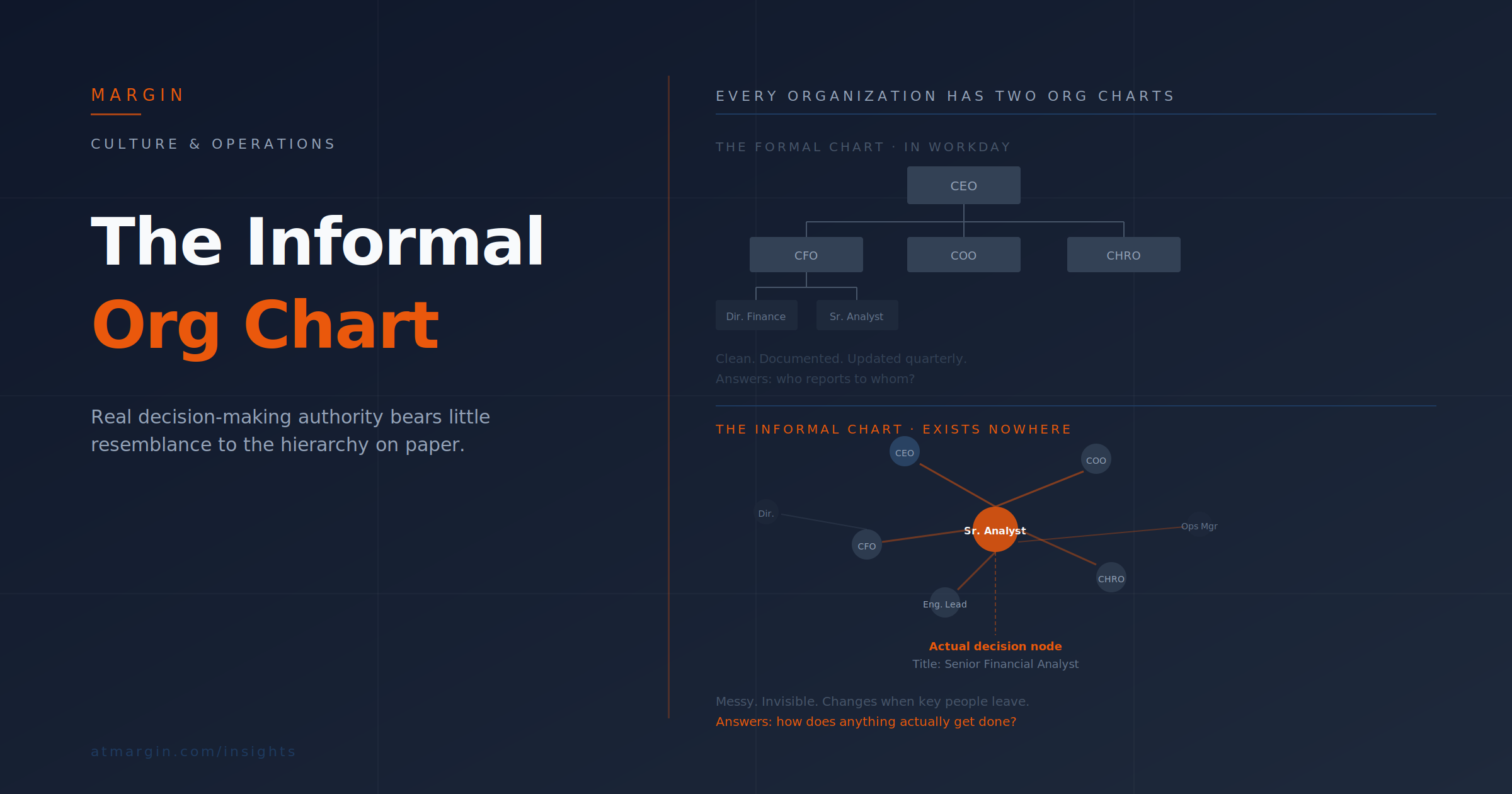
The Informal Org Chart That Actually Runs Your Organization
The formal org chart answers who reports to whom. The informal one answers how anything actually gets done. In most organizations, these are very different documents — and only one of them predicts execution risk.
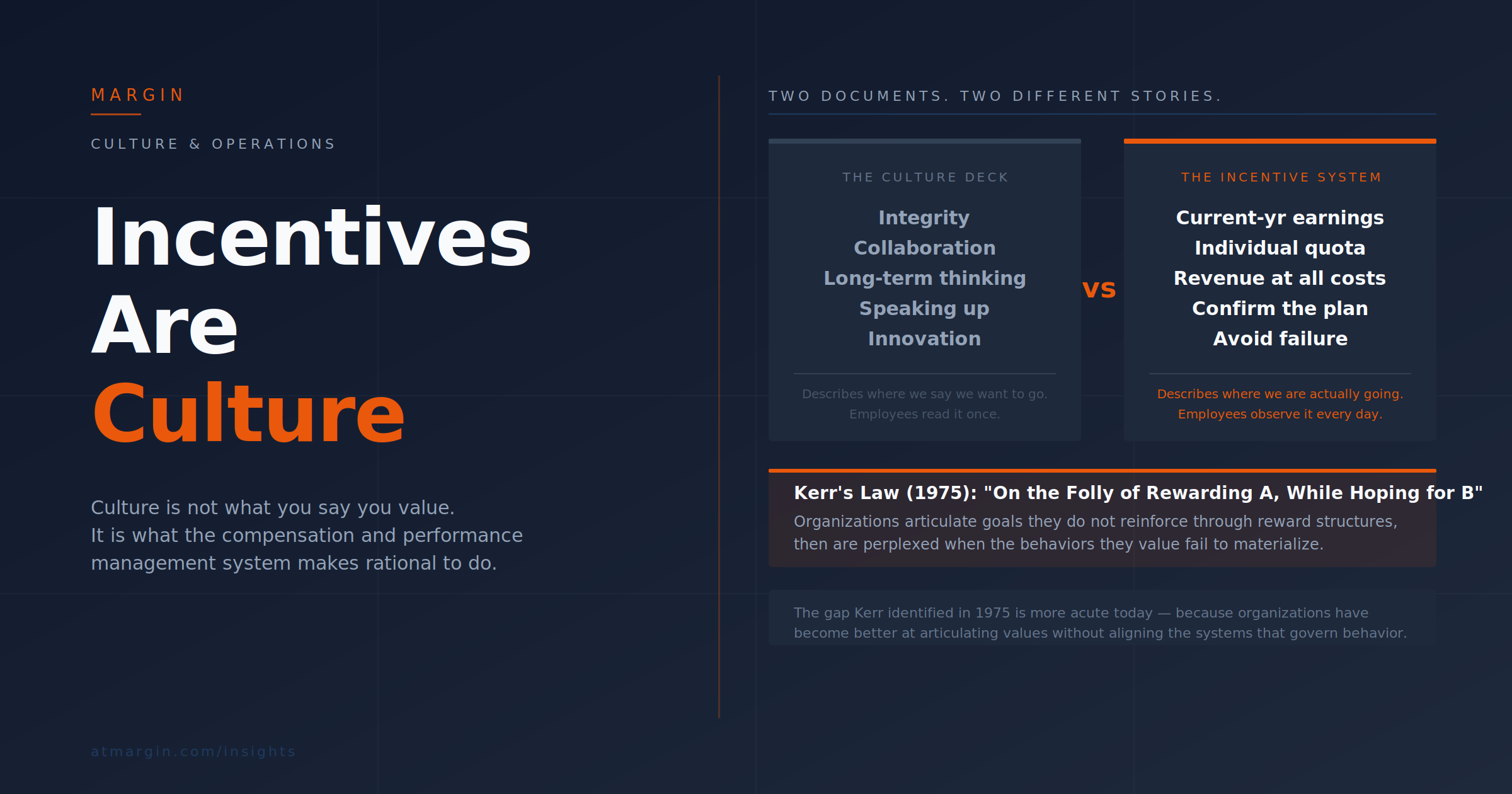
Incentives Are Culture
Your culture deck and your incentive system are telling employees two different stories. The employees know which one to believe — and they're acting accordingly.

Information Economics: Why Transparency Isn't Always Optimal
Transparent metrics get gamed. Open strategies help competitors. Too much information paralyzes decisions. Information economics reveals when opacity is strategically valuable.
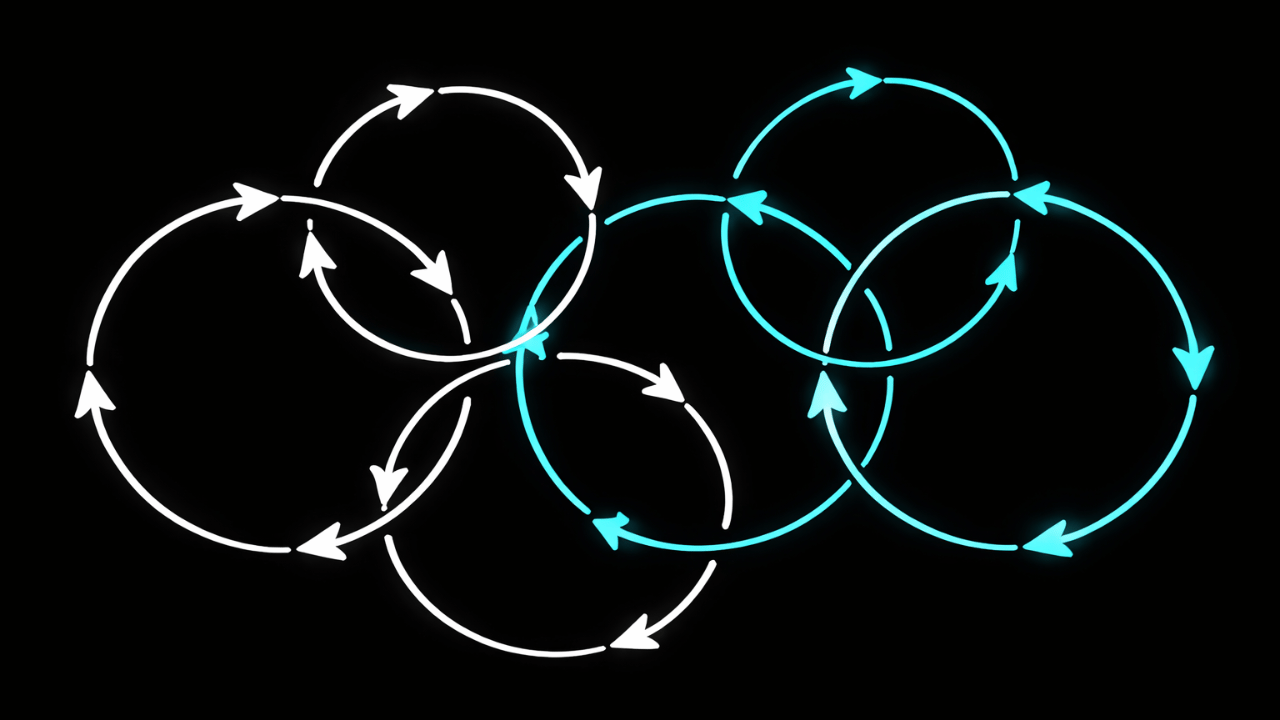
Systems Thinking for Executives: Why Your Interventions Create Unintended Consequences
Feedback loops, time delays, and system archetypes predict why solutions backfire. Apply systems thinking to find high-leverage interventions instead of treating symptoms.

Principal-Agent Problems: Why Your Strategy Isn't Getting Executed
Strategy fails not in conception but execution. Information asymmetry and misaligned incentives mean agents execute their strategy, not yours. Fix the incentive structure.
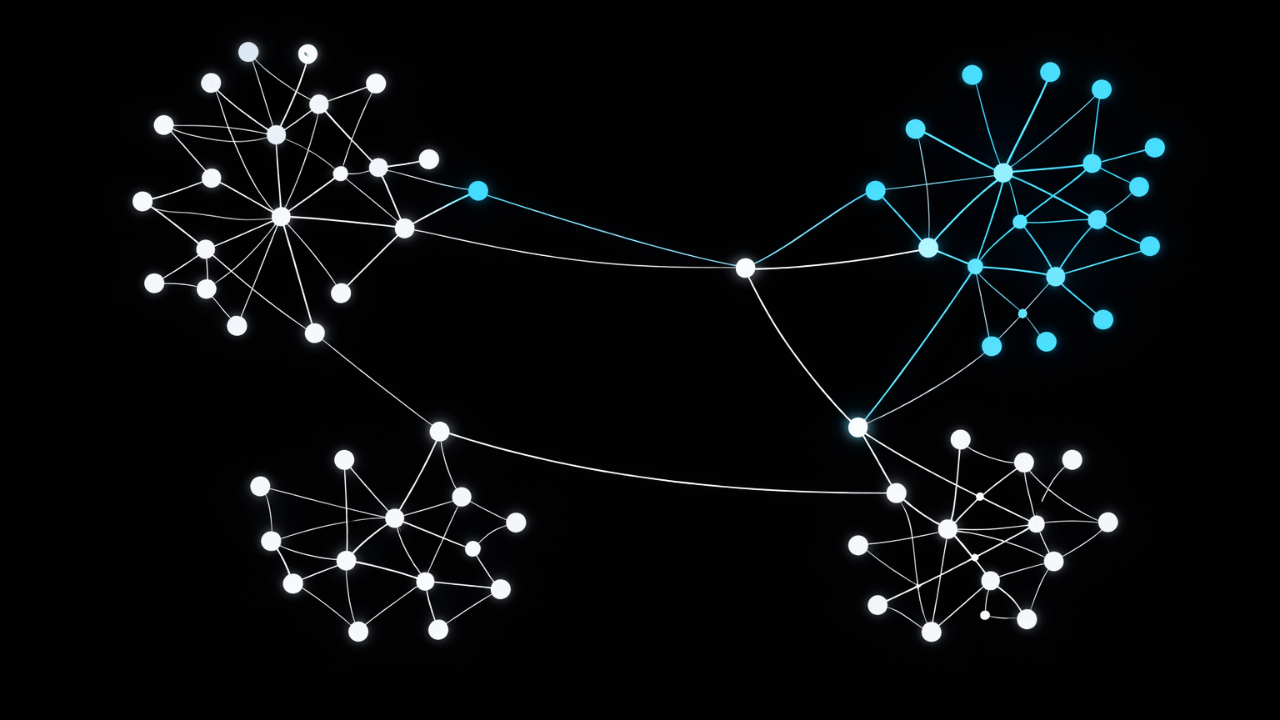
Network Effects in Organizations: Why Your Org Chart Doesn't Show Where Power Lives
Your org chart shows reporting lines. Network science shows where power actually lives. Learn to identify brokers, structural holes, and hidden influence in your organization.
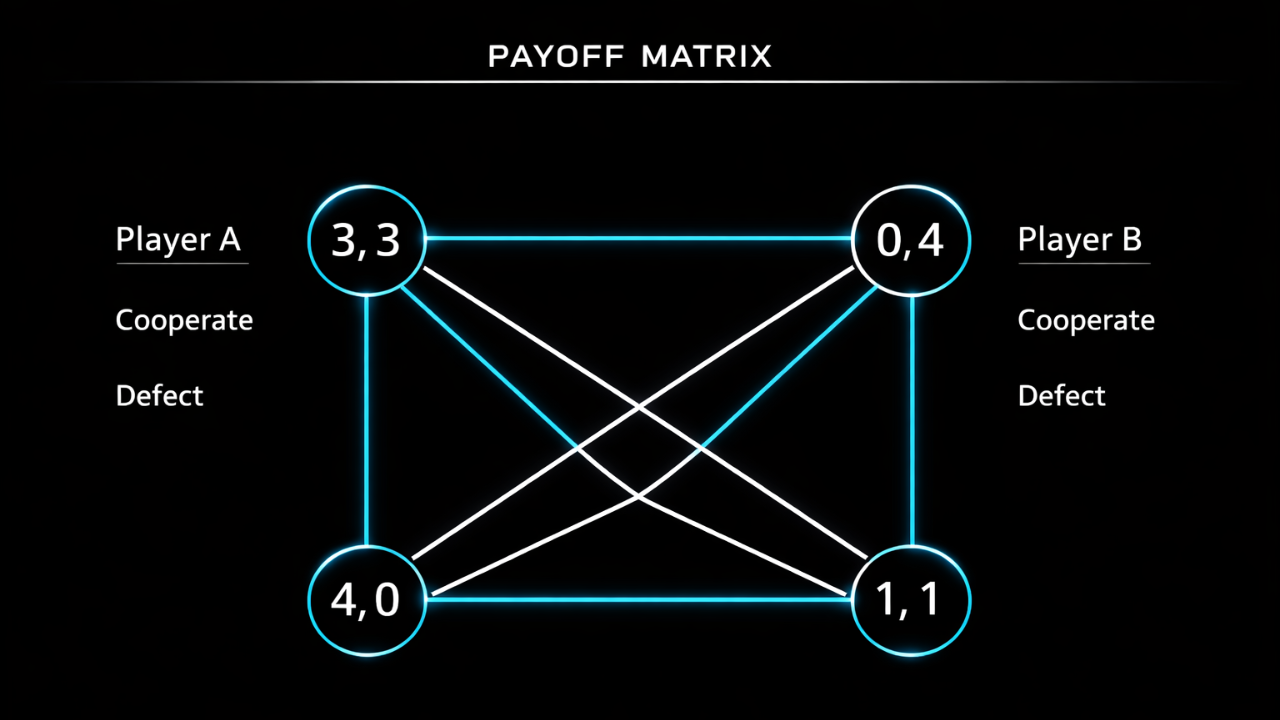
Game Theory and Team Dynamics: Why Your High Performers Undermine Each Other
Why do high performers undermine each other? Nash equilibrium explains how individual rationality produces team dysfunction. Learn mechanism design solutions that actually work.