

Strategic insights on hiring, retention, compensation, leadership, and organizational design. Evidence-based analysis for executives who make decisions about people and teams.
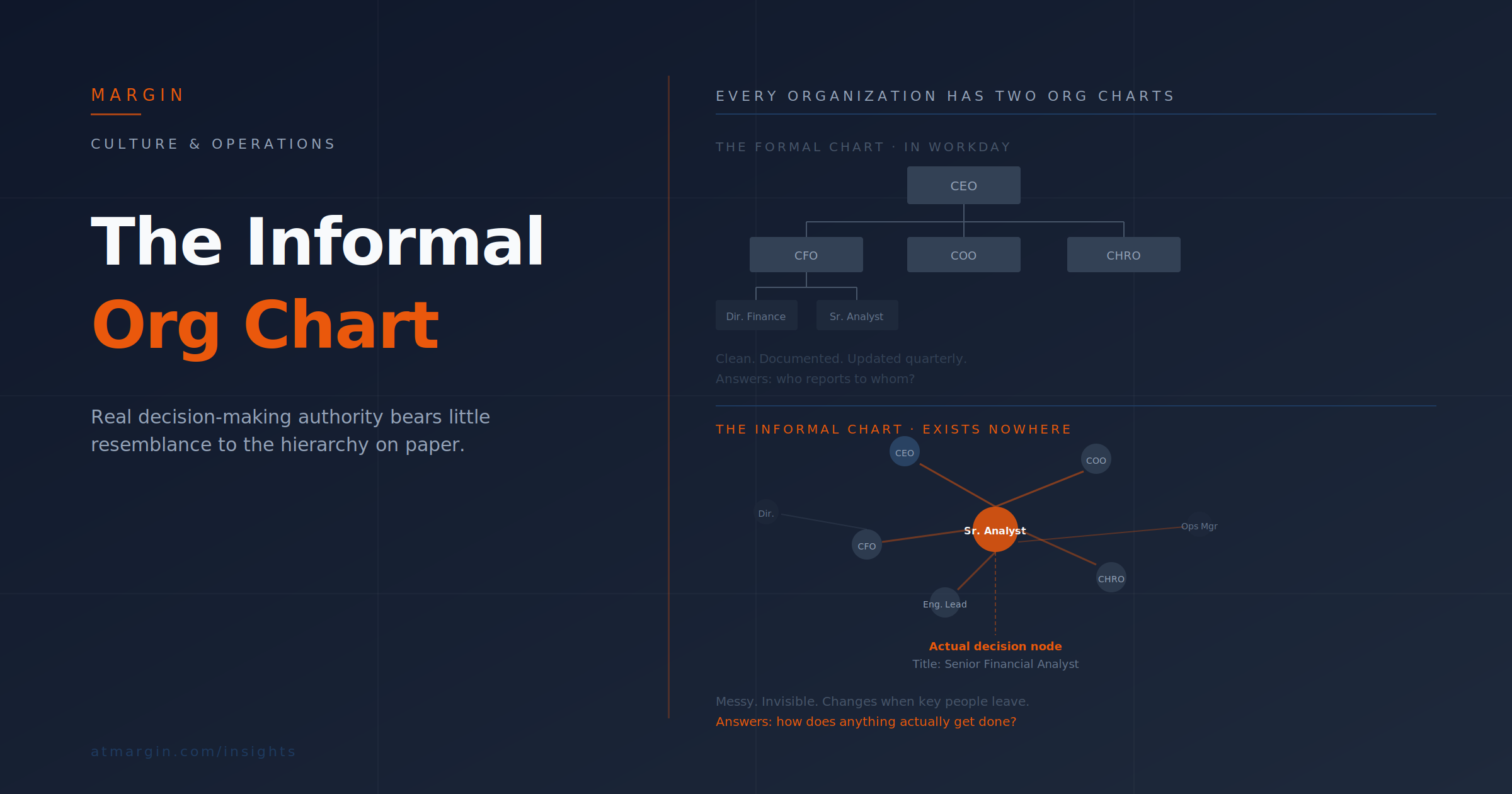
The Informal Org Chart That Actually Runs Your Organization
The formal org chart answers who reports to whom. The informal one answers how anything actually gets done. In most organizations, these are very different documents — and only one of them predicts execution risk.
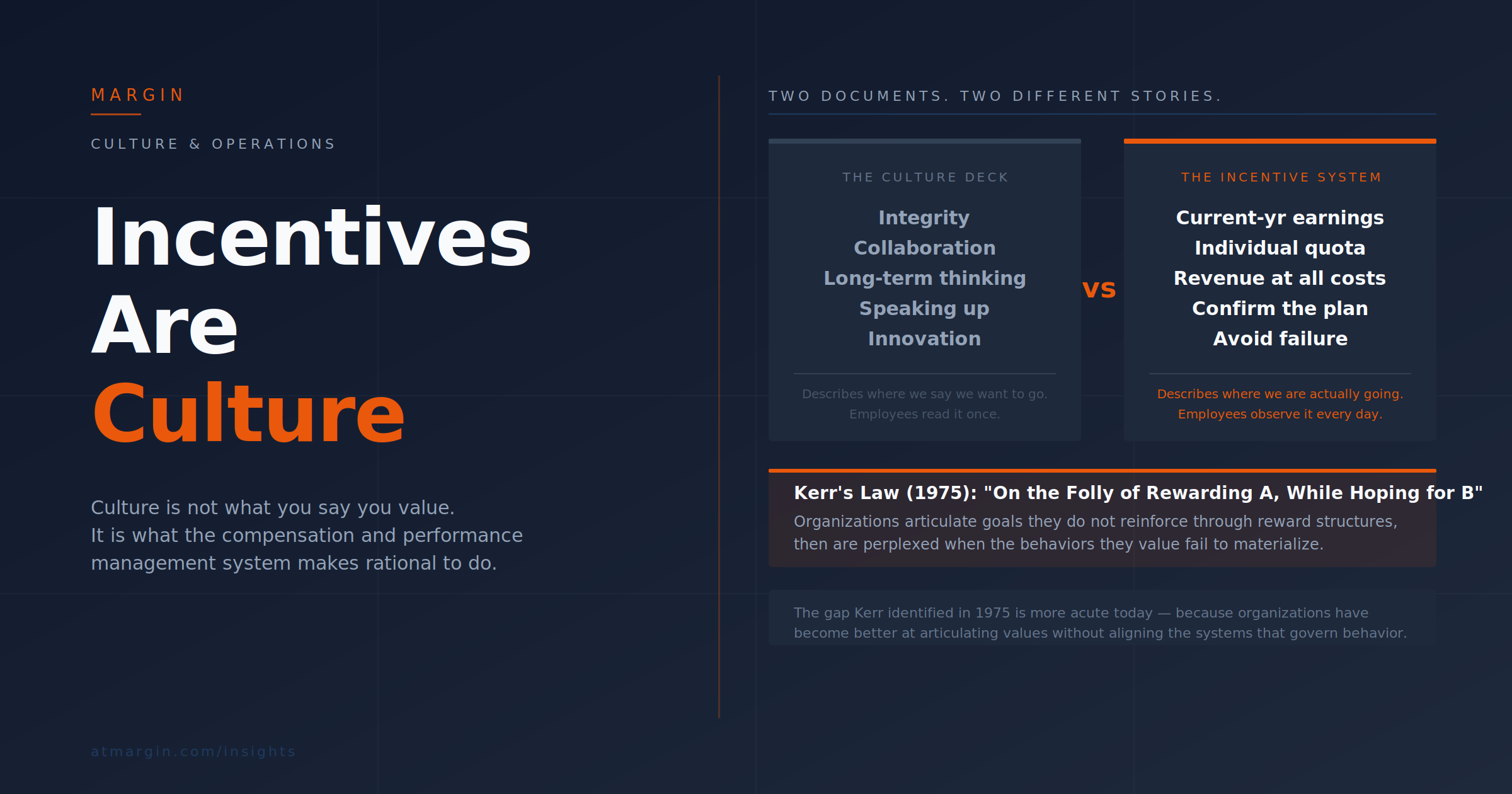
Incentives Are Culture
Your culture deck and your incentive system are telling employees two different stories. The employees know which one to believe — and they're acting accordingly.
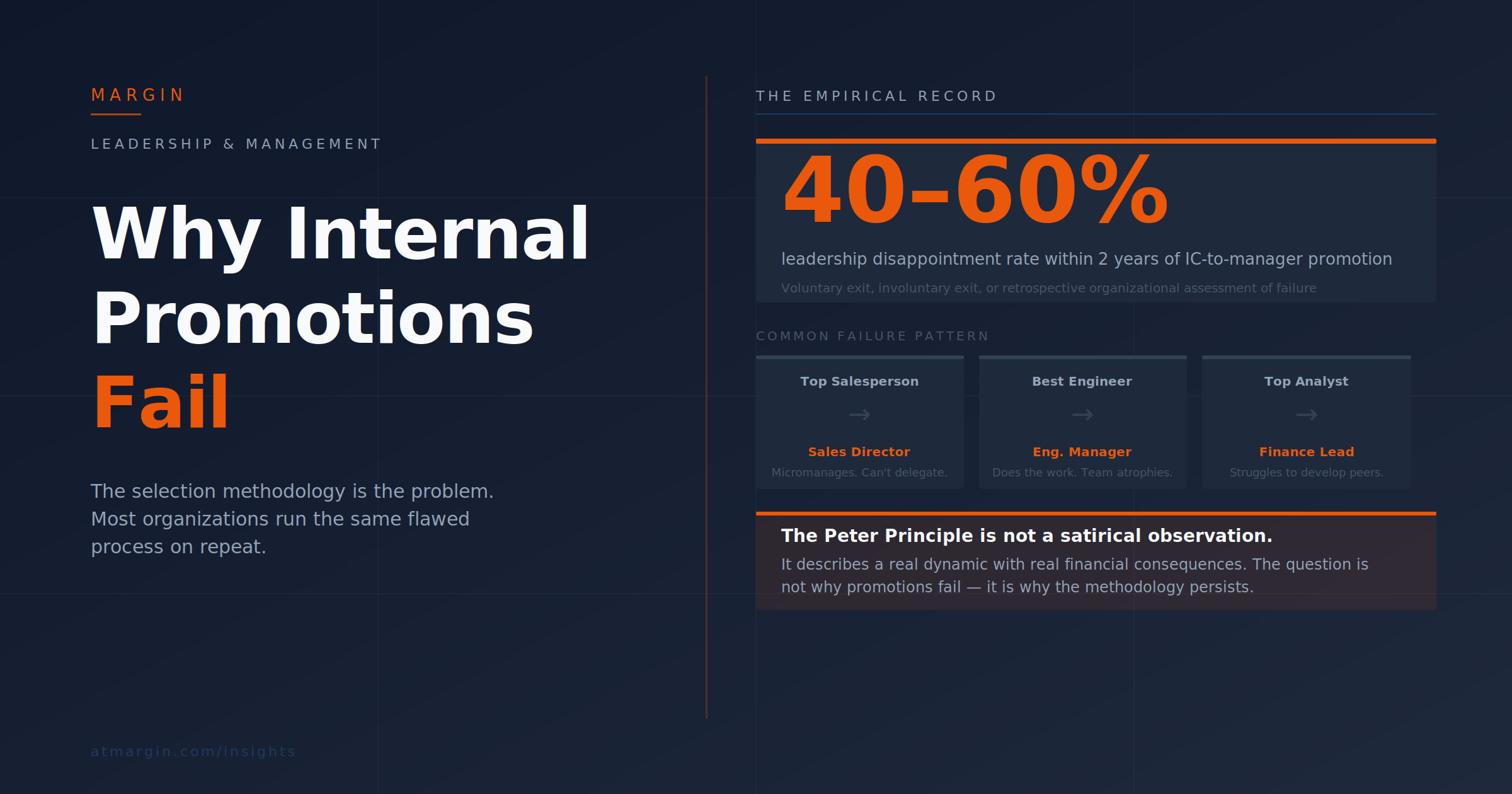
Why Internal Promotions Fail
Organizations promote their best individual contributors into leadership roles and then seem surprised when the results disappoint. The selection methodology is the problem, and most organizations are running the same flawed process on repeat.
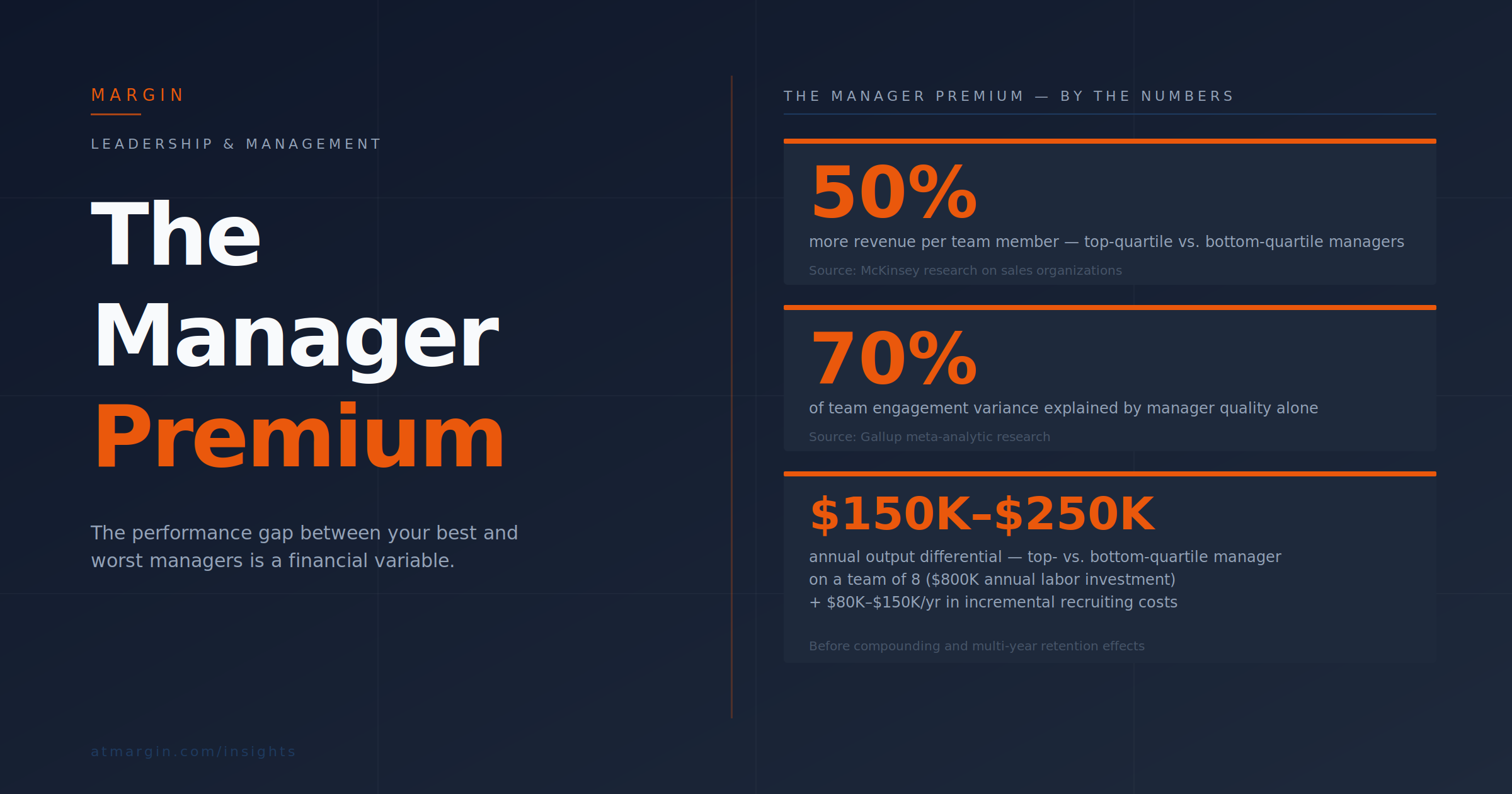
The Manager Premium
The performance gap between your best and worst managers is not a people problem. It is a financial variable, and most organizations are not measuring it like one.
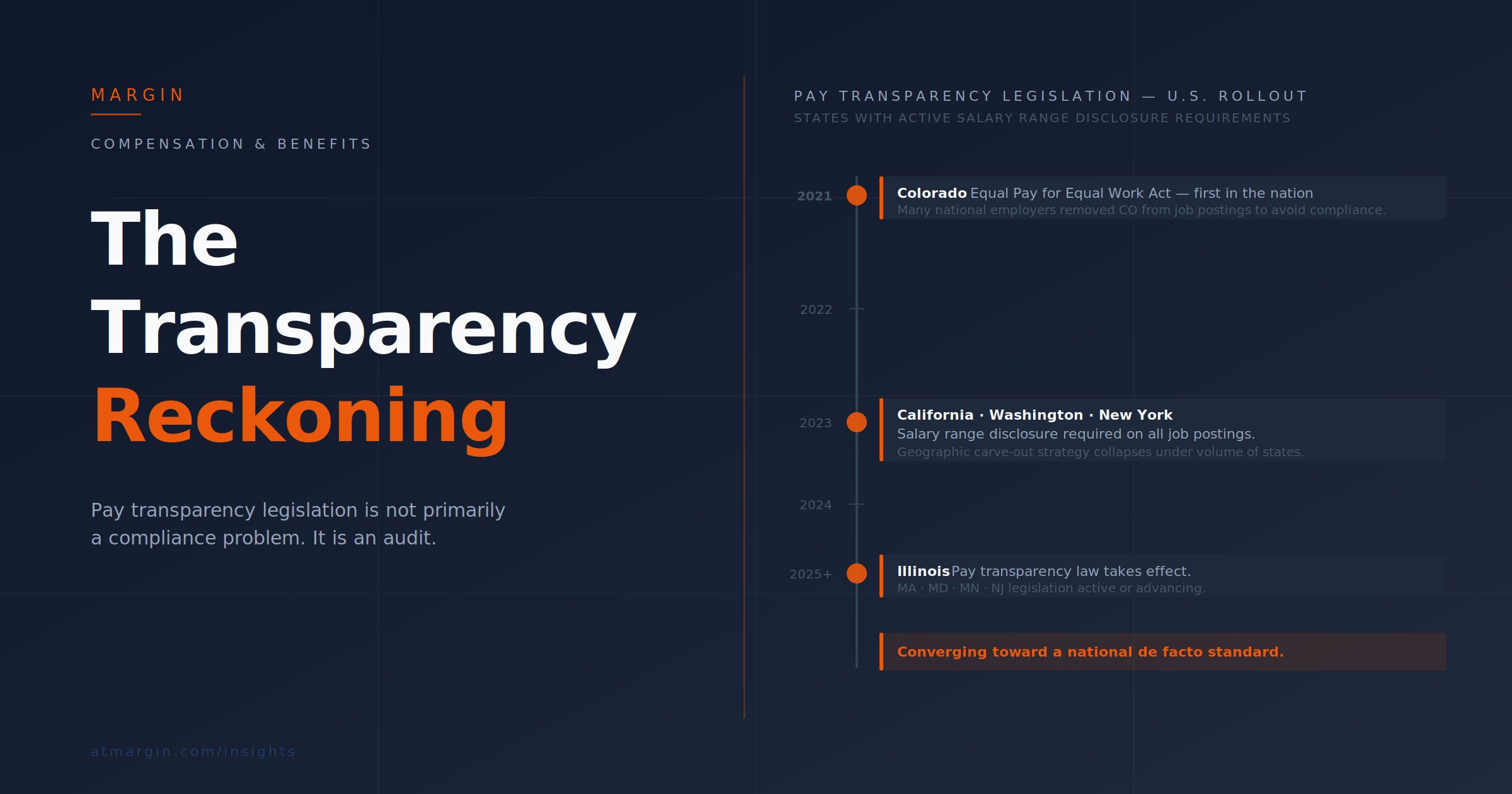
The Transparency Reckoning
Pay transparency legislation is not primarily a compliance problem. It is an audit that will expose compensation structures most organizations are not prepared to defend.
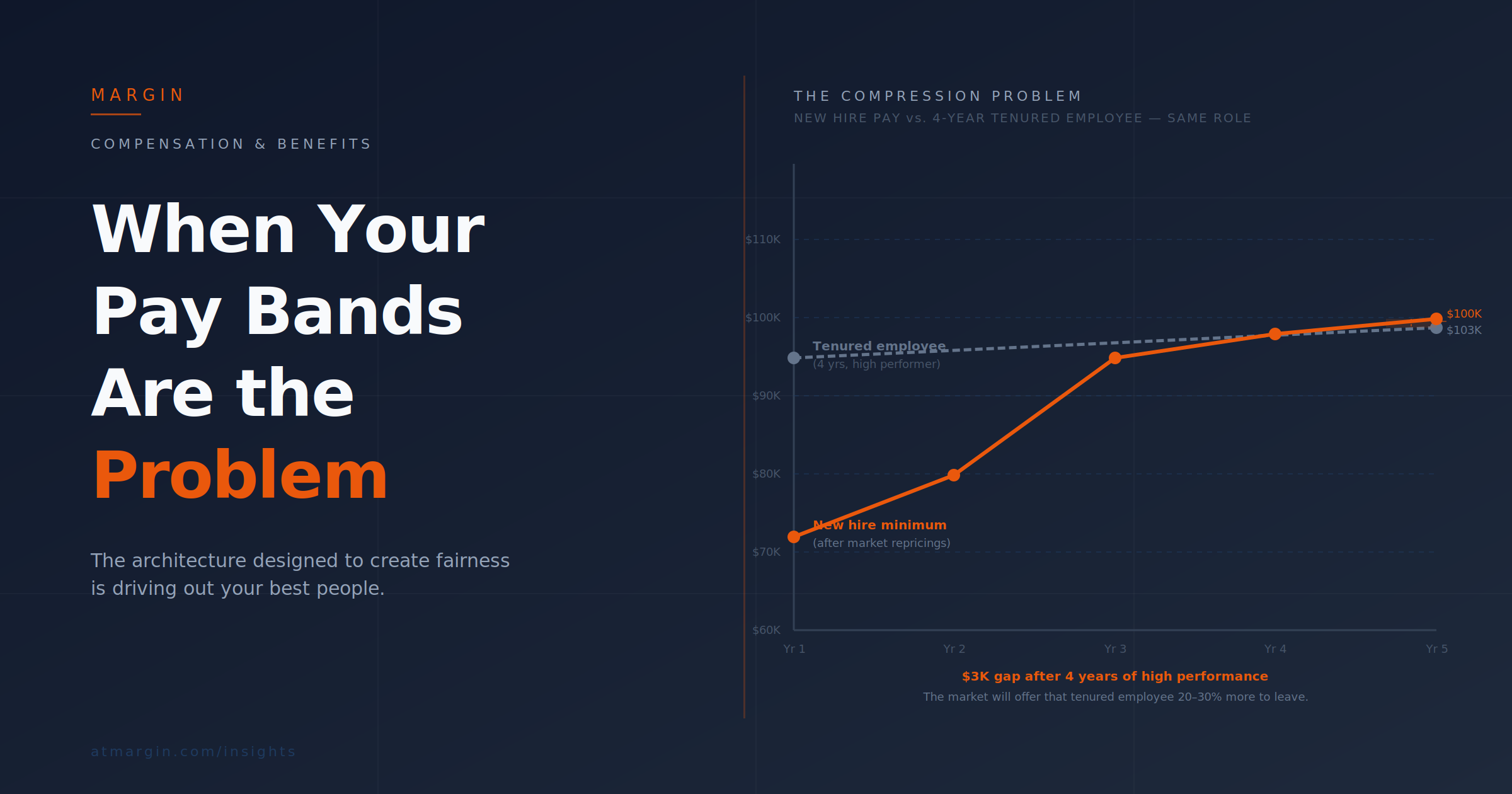
When Your Pay Bands Are the Problem
A compensation architecture that was designed to create fairness and cost control is, in many organizations, the primary mechanism driving turnover in the roles most expensive to replace.
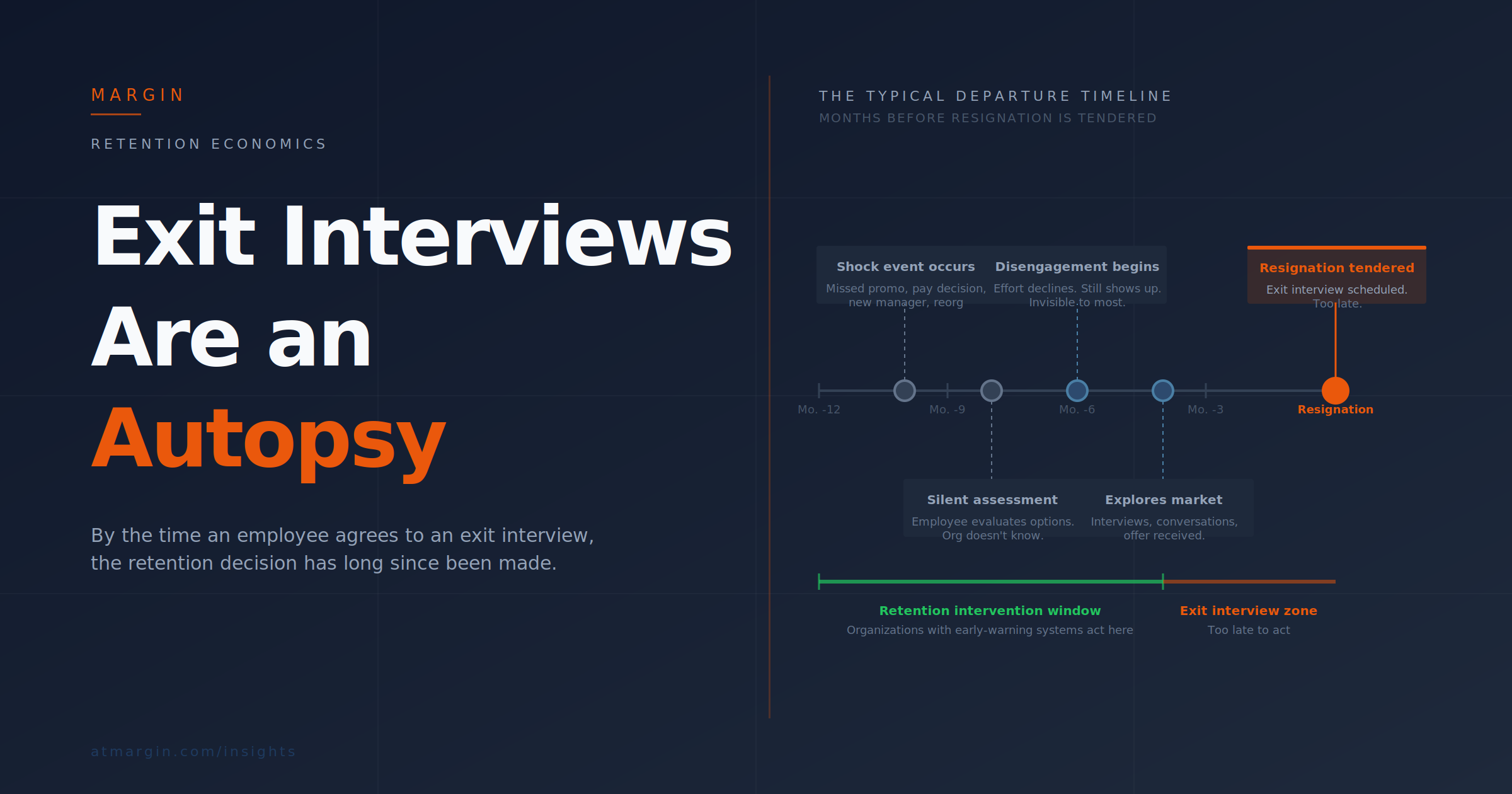
Exit Interviews Are an Autopsy
By the time an employee agrees to an exit interview, the retention decision has long since been made. The organizations winning on retention aren't studying departures; they're predicting them.
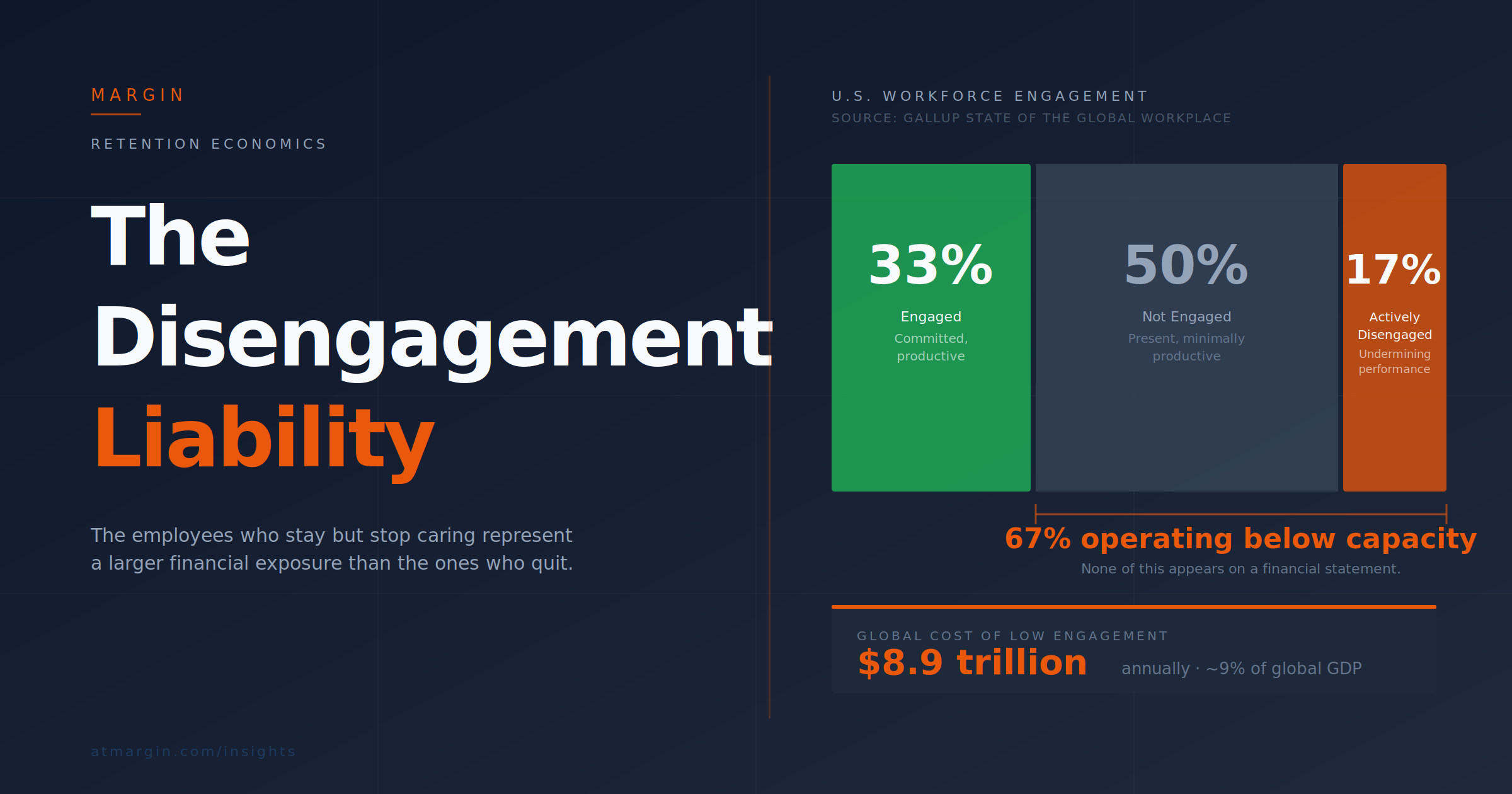
The Disengagement Liability
The employees who stay but stop caring represent a larger financial exposure than the ones who quit, and it doesn't appear anywhere on your balance sheet.
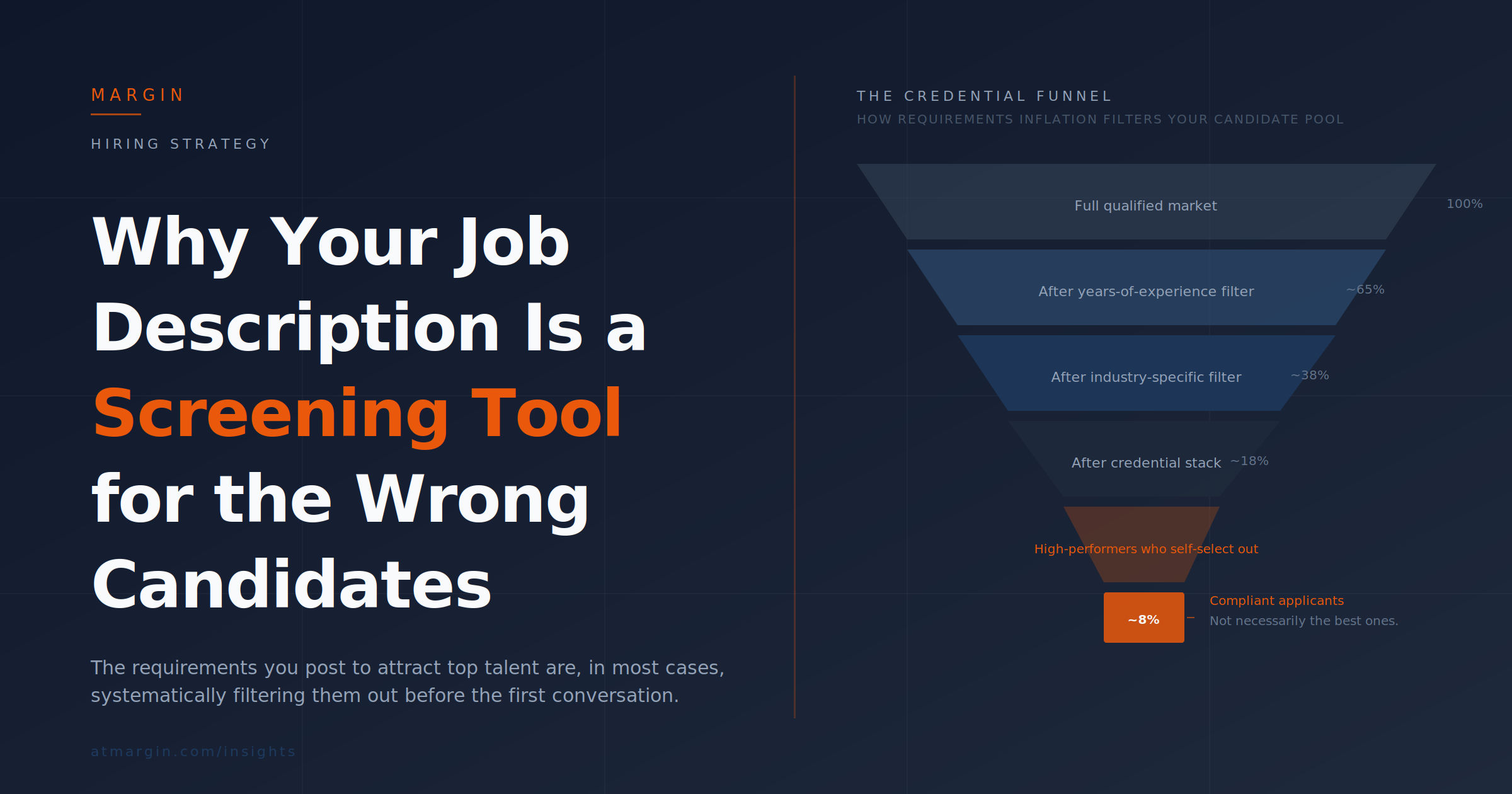
Why Your Job Description Is a Screening Tool for the Wrong Candidates
The requirements you post to attract top talent are, in most cases, systematically filtering them out before the first conversation.
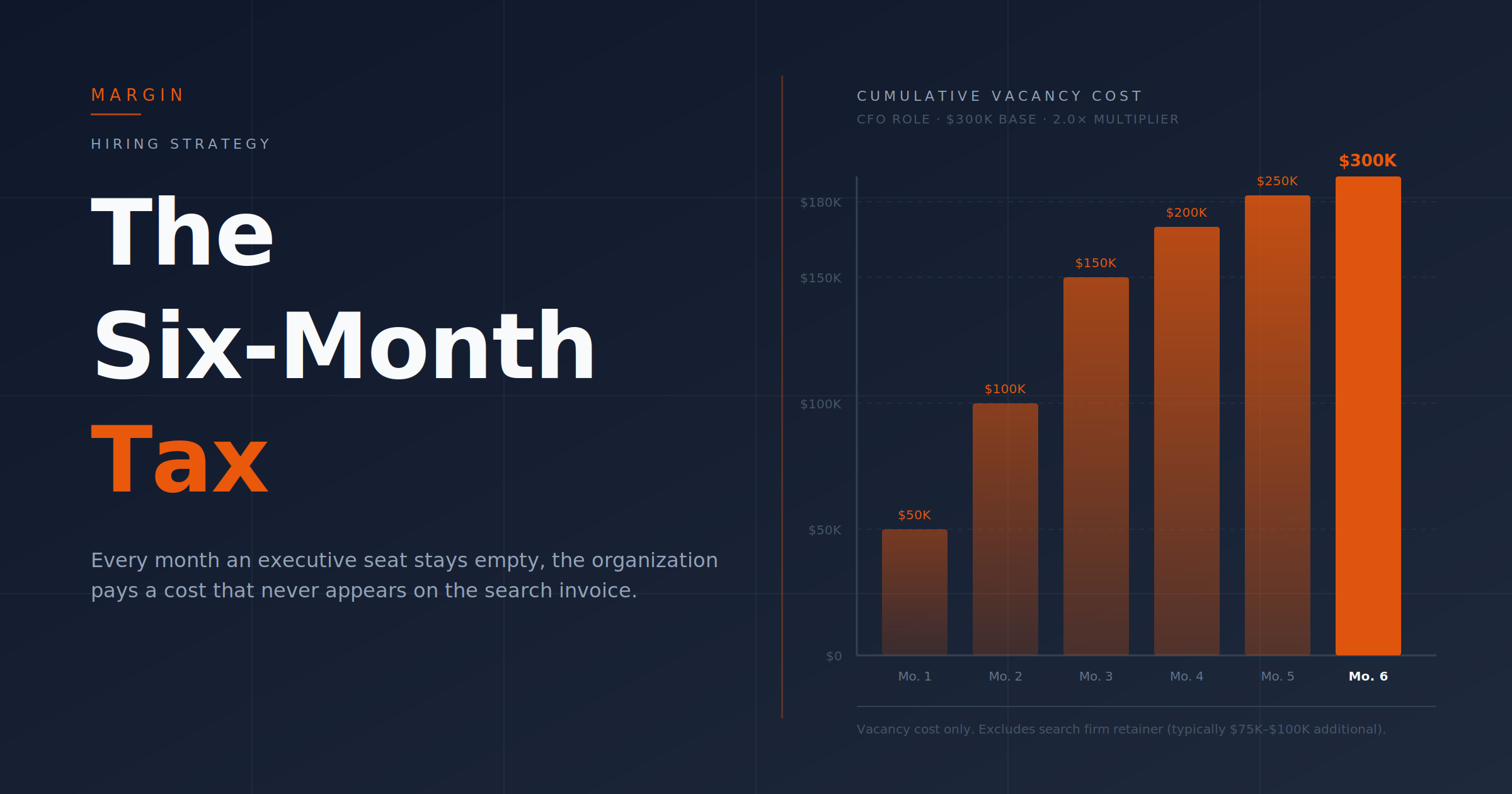
The Six-Month Tax
Every month an executive seat stays empty, the organization is paying a cost that never appears on the search invoice — and most companies have no idea how large it is.

Information Economics: Why Transparency Isn't Always Optimal
Transparent metrics get gamed. Open strategies help competitors. Too much information paralyzes decisions. Information economics reveals when opacity is strategically valuable.
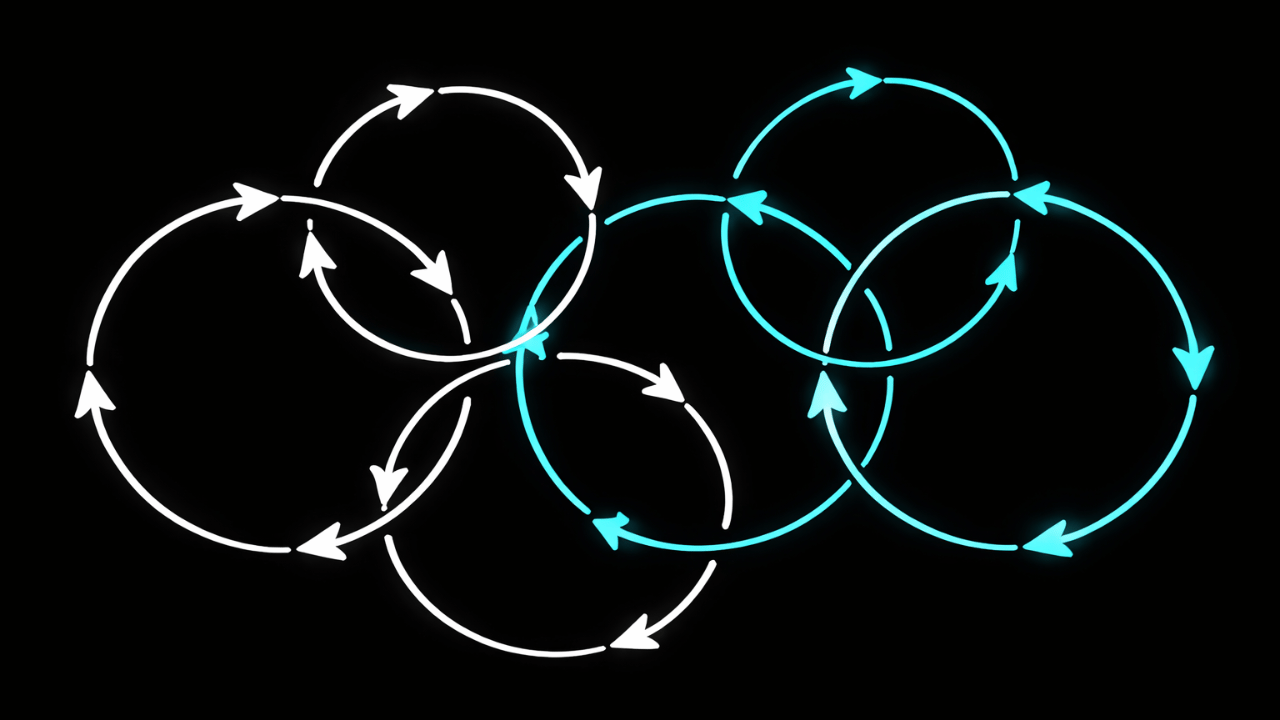
Systems Thinking for Executives: Why Your Interventions Create Unintended Consequences
Feedback loops, time delays, and system archetypes predict why solutions backfire. Apply systems thinking to find high-leverage interventions instead of treating symptoms.

Principal-Agent Problems: Why Your Strategy Isn't Getting Executed
Strategy fails not in conception but execution. Information asymmetry and misaligned incentives mean agents execute their strategy, not yours. Fix the incentive structure.

Network Effects in Organizations: Why Your Org Chart Doesn't Show Where Power Lives
Your org chart shows reporting lines. Network science shows where power actually lives. Learn to identify brokers, structural holes, and hidden influence in your organization.
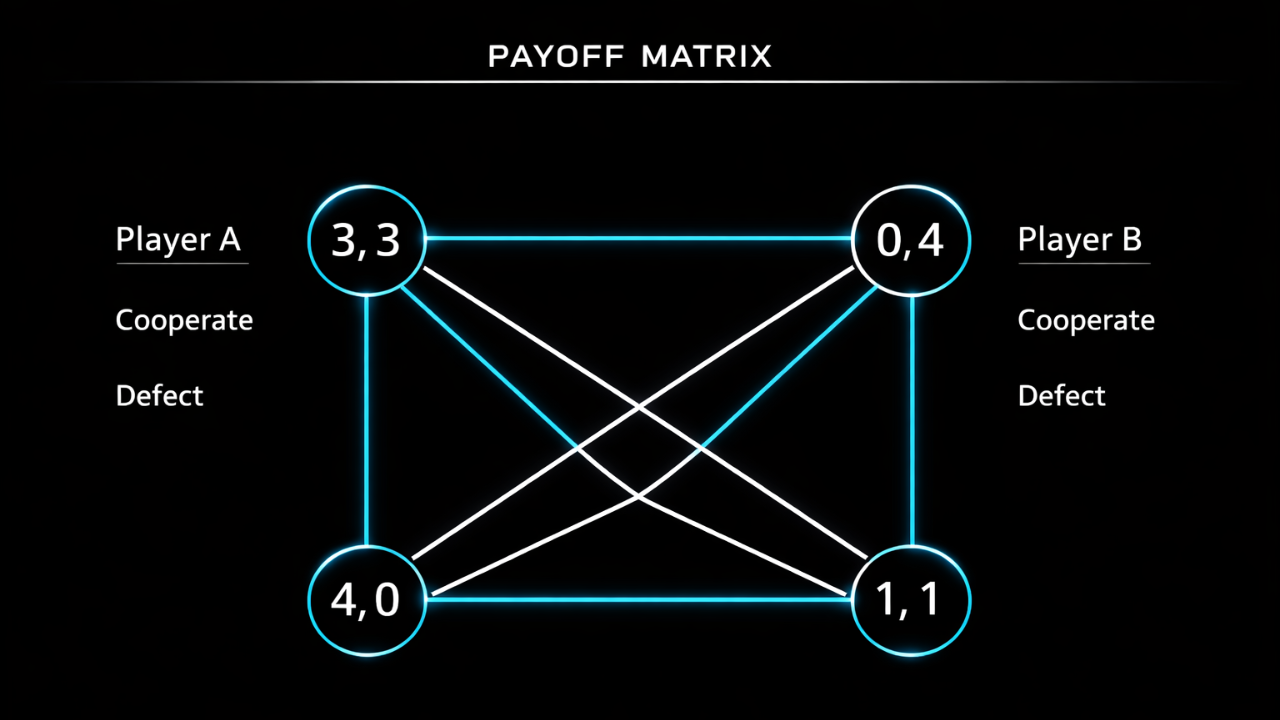
Game Theory and Team Dynamics: Why Your High Performers Undermine Each Other
Why do high performers undermine each other? Nash equilibrium explains how individual rationality produces team dysfunction. Learn mechanism design solutions that actually work.
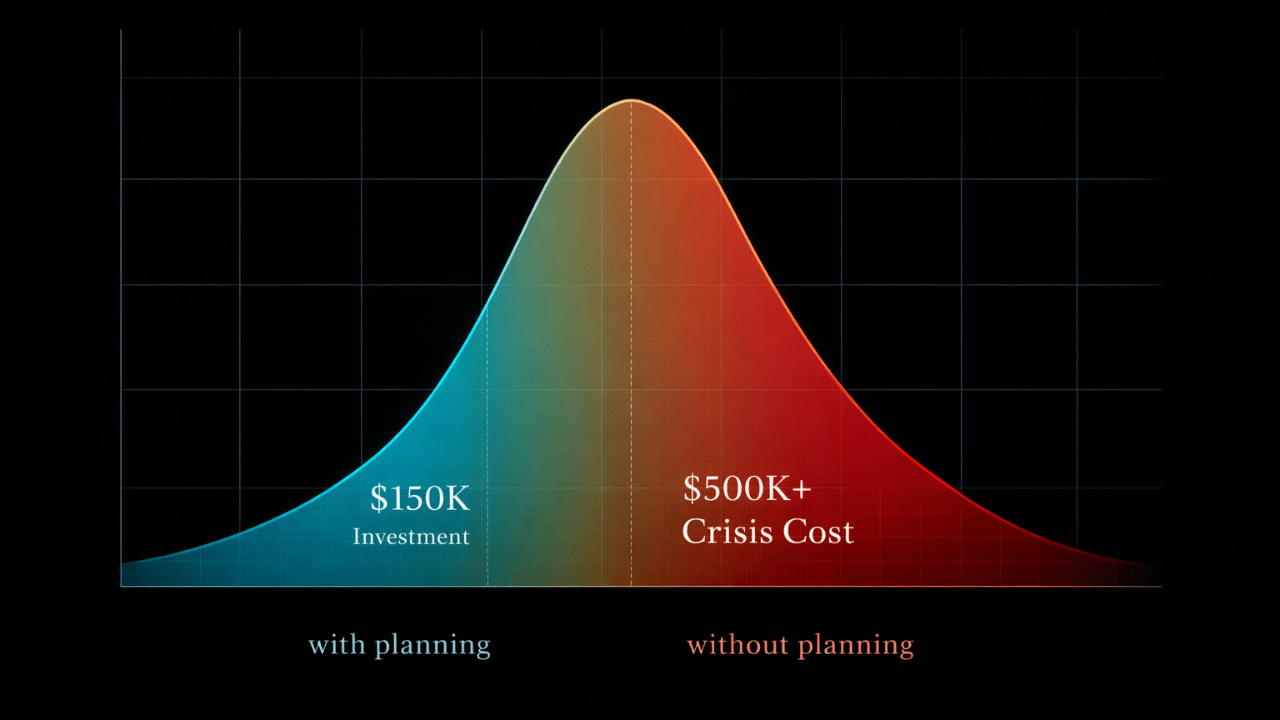
Succession Planning Economics: The Insurance Policy Nobody Wants to Pay For
Succession planning is insurance nobody wants to pay for. Expected value framework for when investment pays off, optimal planning levels, and board governance.

Founder Mode vs. Manager Mode: When Leadership Style Must Change
Why founder hands-on leadership breaks at 50-200 employees, when professional management kills innovation, and how to decide which mode your company needs.
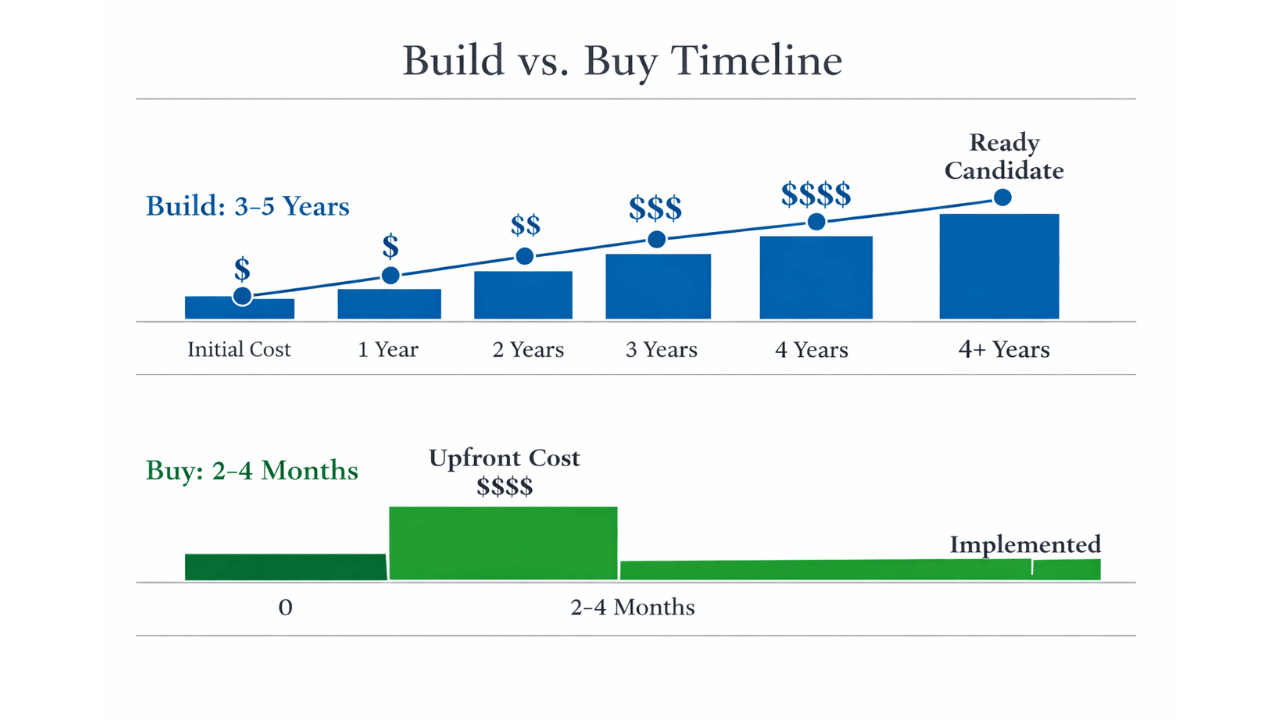
The Build vs. Buy Decision: Leadership Development ROI
Leadership development isn't always better than external hiring. ROI framework for when to build leaders internally vs. buy externally, with cost analysis.

Leadership Selection Bias: Why You Keep Promoting the Wrong People
Why organizations promote politically savvy people over effective leaders. Selection bias framework, visibility traps, and how to fix promotion decisions.
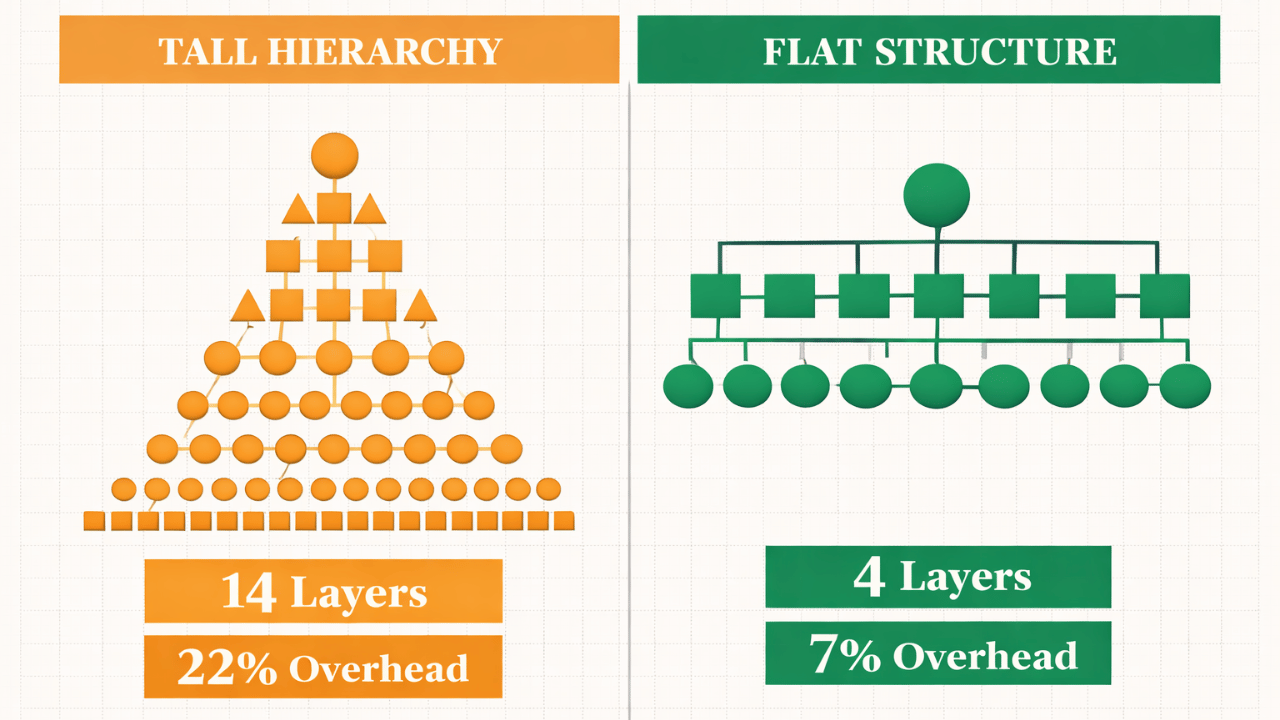
Span of Control Economics: Why Your Middle Management Layer Is Too Thick
Most organizations have too many management layers managing too few people. How to determine optimal span of control and reduce overhead by 10-15 percent.